WLT Conservation Projects
Western Leopard Toad Conservation Projects
Over the past two decades, WLT Research has focused on understanding the species’ genetic diversity, population structure, and the impacts of habitat loss and urbanisation. This has largely been undertaken with the help of various partners including the City of Cape Town, the WLT CC and researchers at SANBI and other academic institutions. A list of some of the key studies are provided below. These studies have collectively enhanced our understanding of the species’ genetic and demographic health and have helped inform conservation efforts.
Scientific Papers
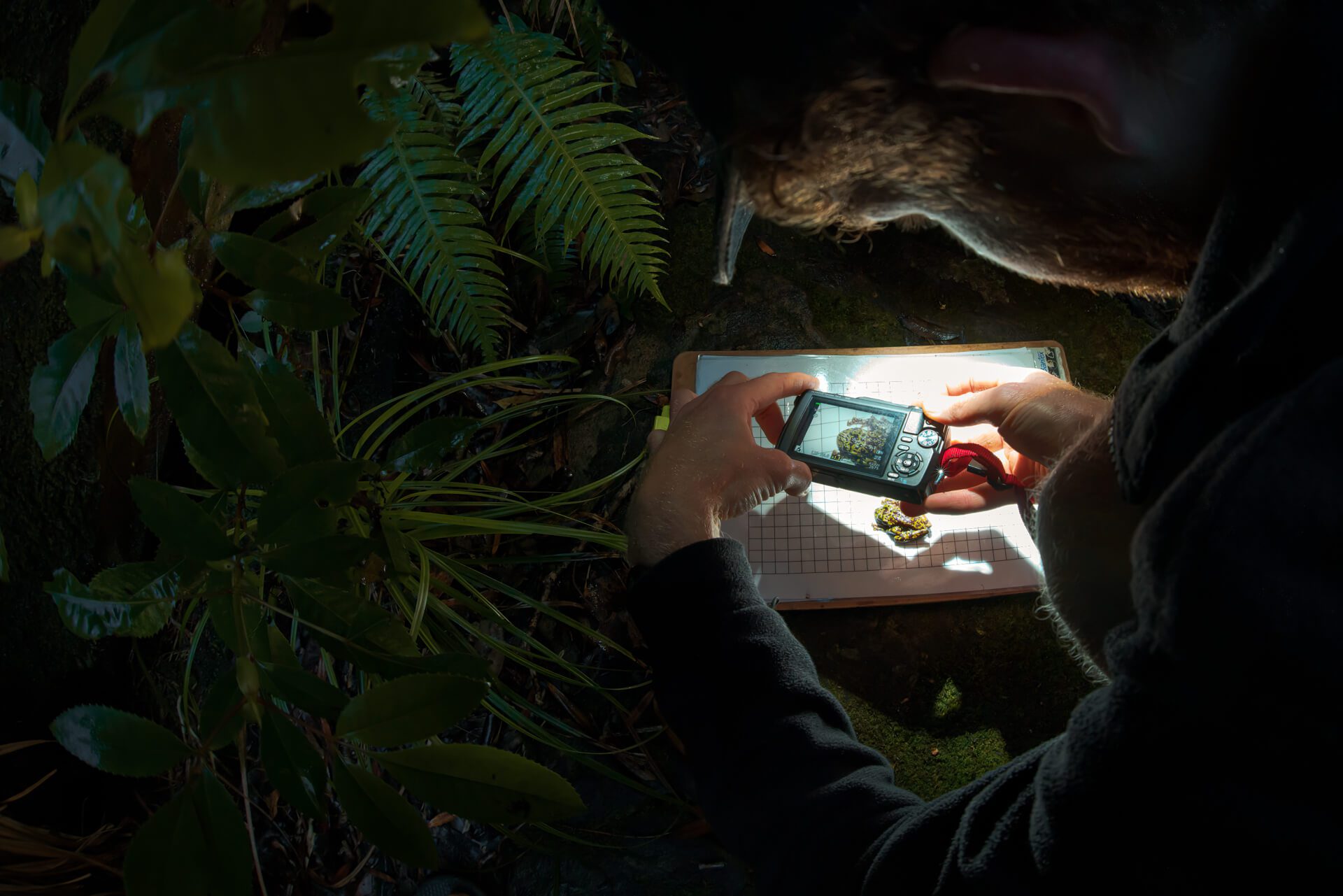
A decade of genetic monitoring reveals increased inbreeding for the Western Leopard Toad
Stephens/Tolley/Da Silva.
Published March 2022.
A decade of genetic monitoring reveals increased inbreeding for the Western Leopard Toad
Stephens/Tolley/Da Silva.
Published March 2022.
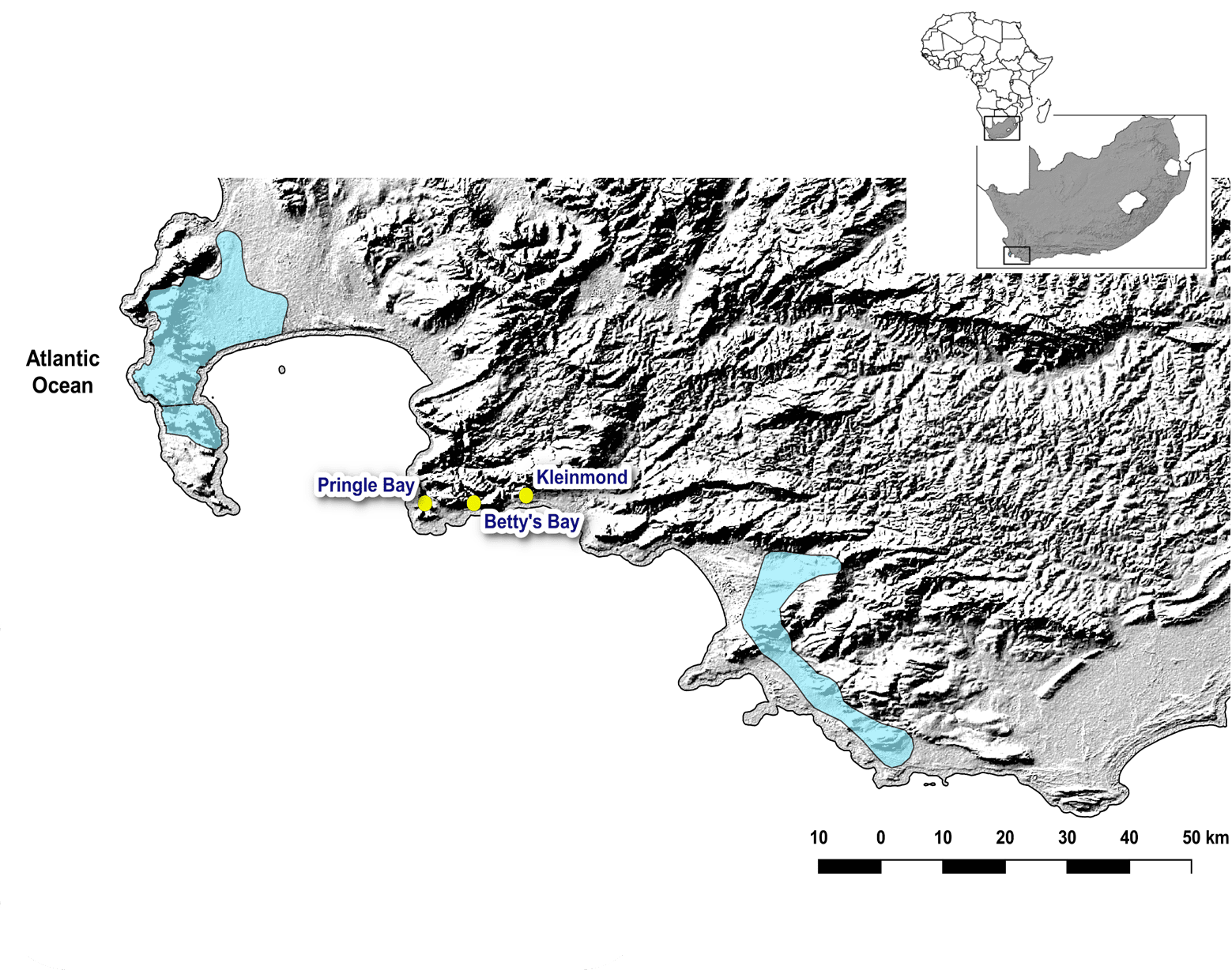
Investigating the cause of the disjunct distribution of Amietophrynus pantherinus, the Endangered South African western leopard toad
Measey GJ, Tolley KA
Published March 2011
Student Theses
A decade of genetic monitoring reveals increased inbreeding for the Western Leopard Toad
Stephens/Tolley/Da Silva.
Published March 2022.
A decade of genetic monitoring reveals increased inbreeding for the Western Leopard Toad
Stephens/Tolley/Da Silva.
Published March 2022.
Our Gallery...
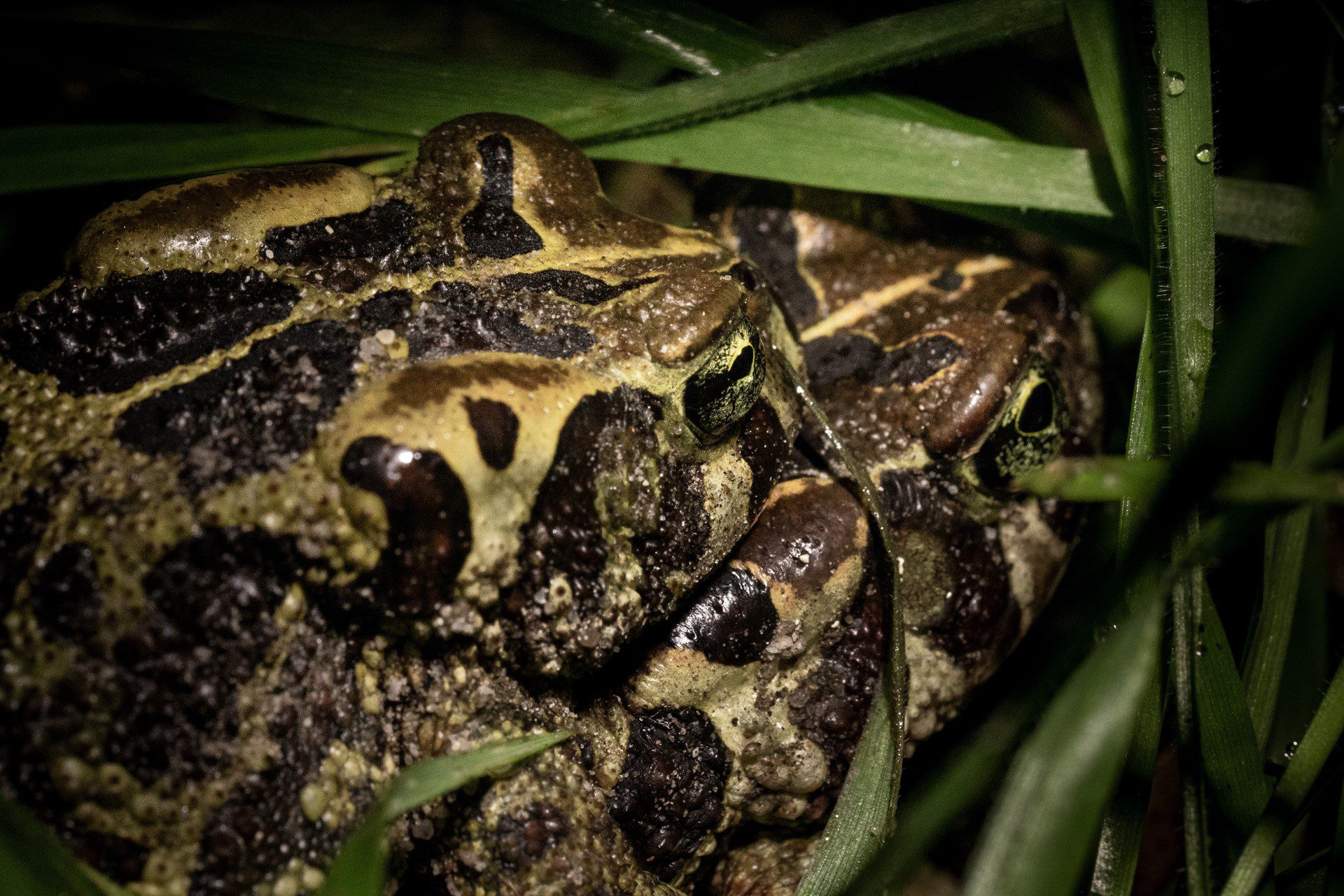
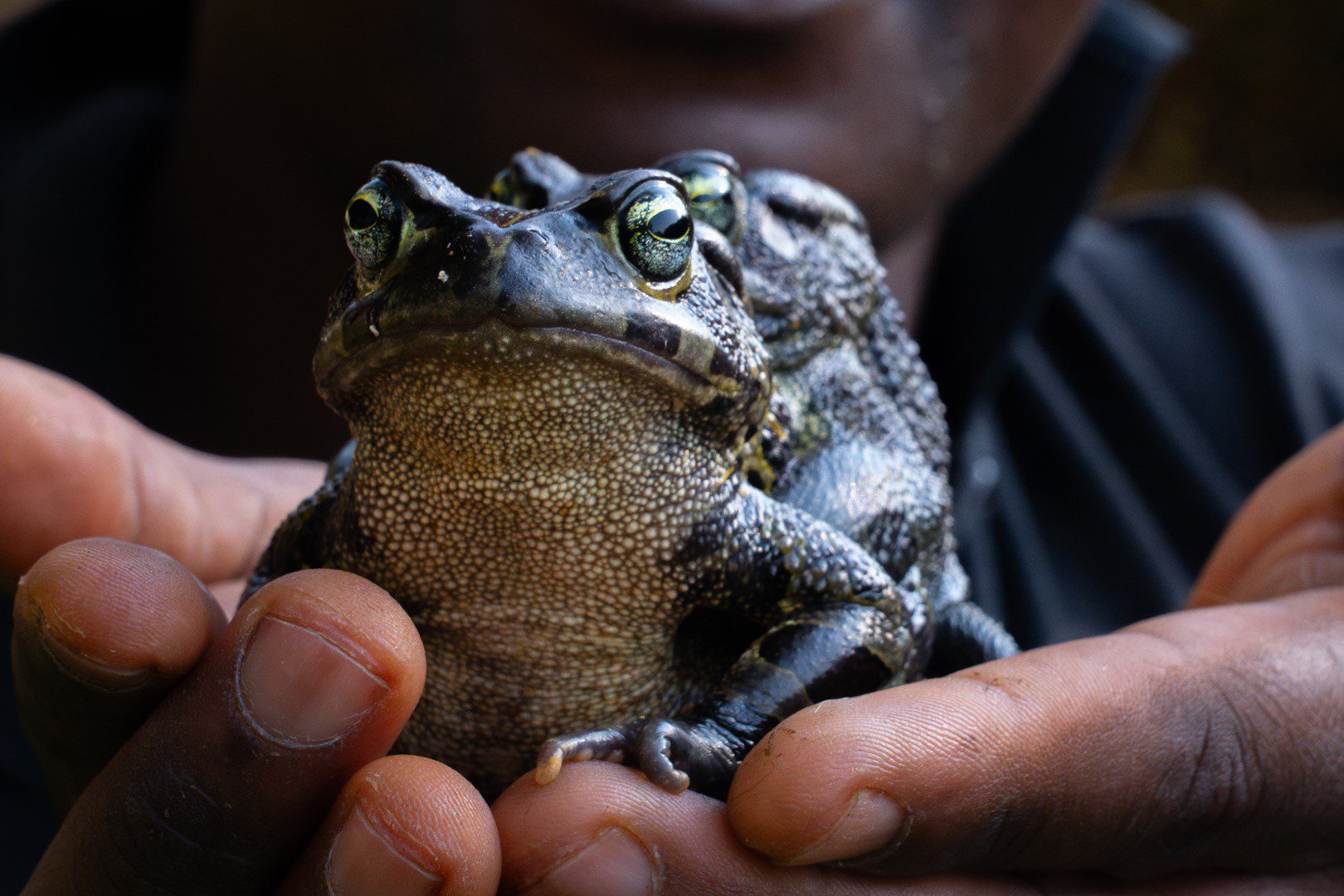
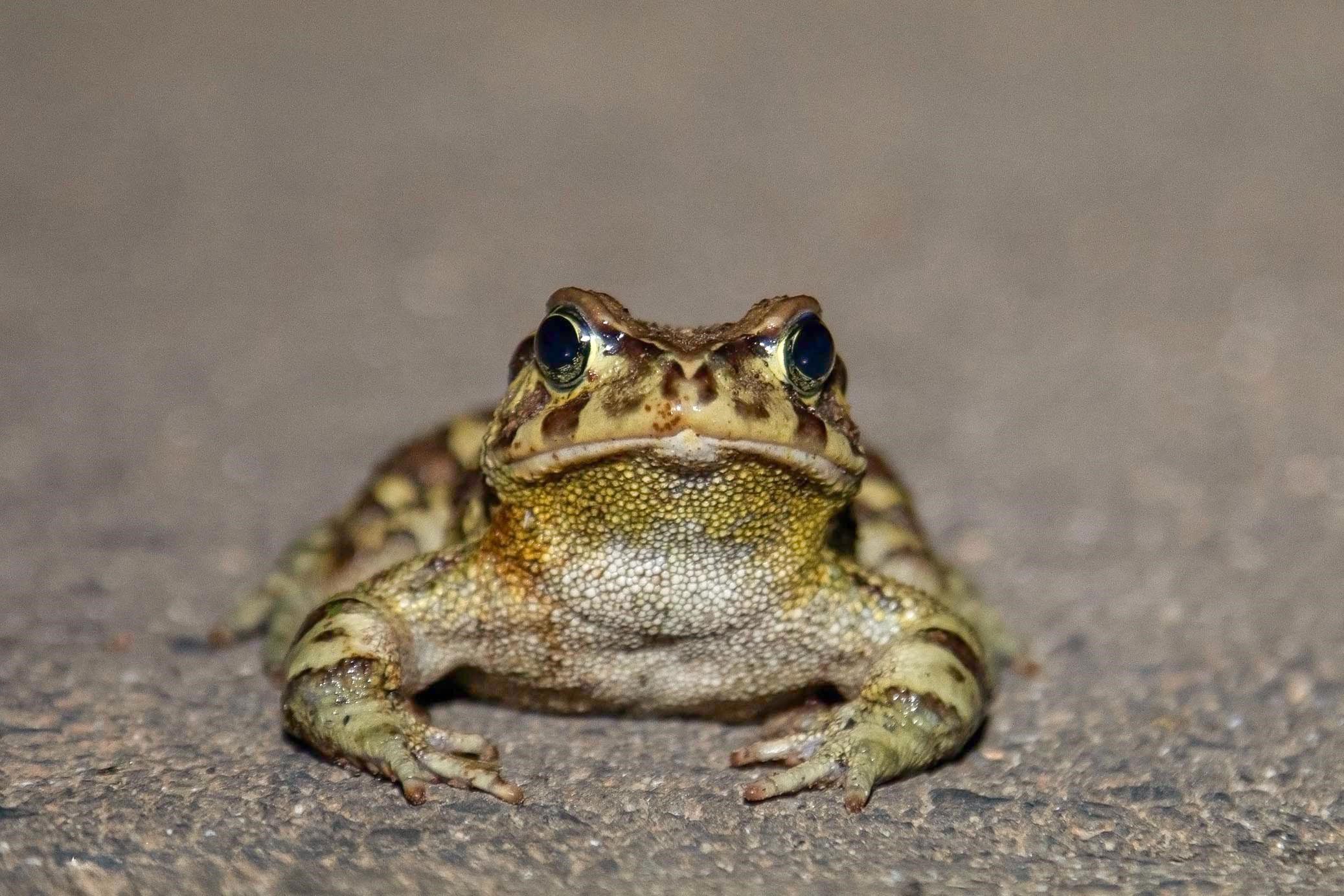
CONTACT US
Feel free to contact the Western Leopard Toad Conservation Committee if you would like to get involved or have any enquiries.
For the Contact Details of the coordinator in your area, please click here.....
Address
Cape Town, South Africa
Legal Status
The Western Leopard Toad is a protected wild animal in terms of the Nature Conservation Ordinance No. 19 of 1974. This means that no person may harm, capture, possess, or transport this species, or keep it in captivity, without a permit from CapeNature, the provincial nature conservation authority.
No commercial trade is allowed in this species. Any person conducting research on this species requires a permit from CapeNature.
Images supplied by: Jeremy Shelton, Angela Gorman, Philippa Clemo, Kurt van Wyk, Michelle du Toit, Gareth Williams, Mike Fabricus, Paula Strauss, Suzie Phillips.
Illustrators: Gina Viglietti, Alex Kappers and Philippa Clemo.